Frozen Hose Faucet? Here’s What to Do Before It Bursts Your Budget
Winter can create havoc when it comes to home plumbing and a cold snap that freezes outdoor faucets shut could ruin more than just your day. When you inspect it, there’s no drip, no pressure, only silence. Worries about frozen pipes fill your mind. Pause, and take a deep breath. It’s going to be okay. We’ll show you how to act quickly to save the day.
This article discloses how to thaw frozen pipes safely, find leaks, and prevent future frozen pipe issues.
We’ll cover:
Thaw Slowly, Check for Leaks, and Protect Against Refreezing
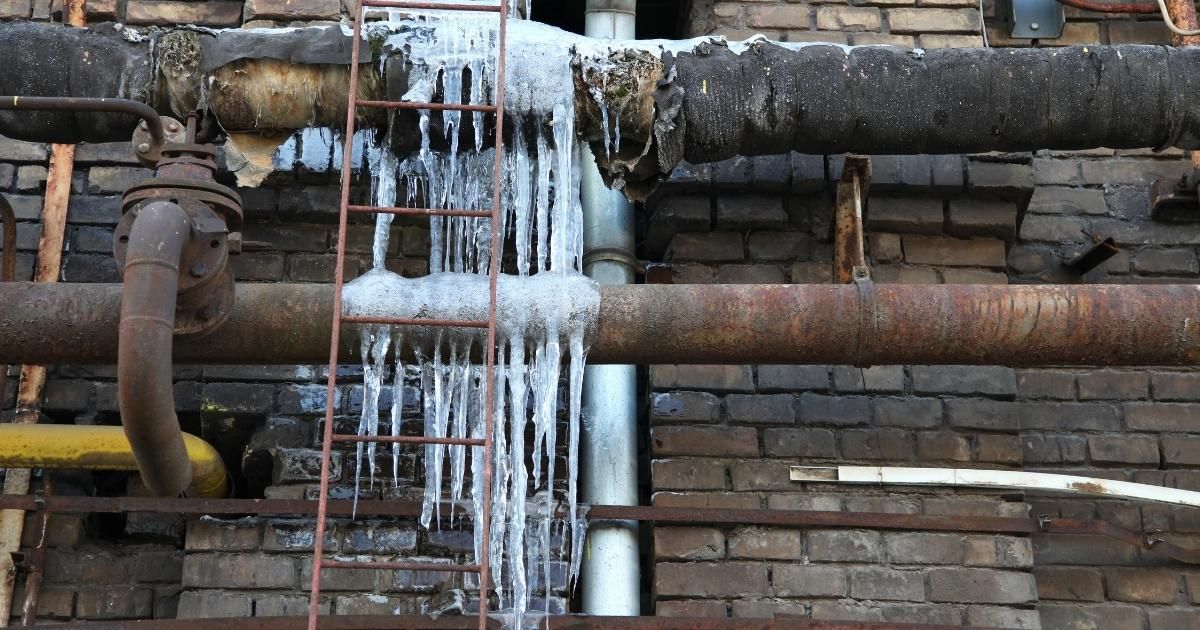
Now you’re wondering what to do with frozen pipes. Your best approach will be controlled and patient, with a gradual warming, followed by a careful check for leaks. Never use flames or rush the process, as cracked pipes or fire hazards could result. Use gradual heat to gently restore water flow and ensure leaks have not developed before using the faucet normally.
To prevent repeat issues, add freeze protection before wrapping up your plumbing project.
How Do You Know If a Faucet/Pipe Is Frozen?
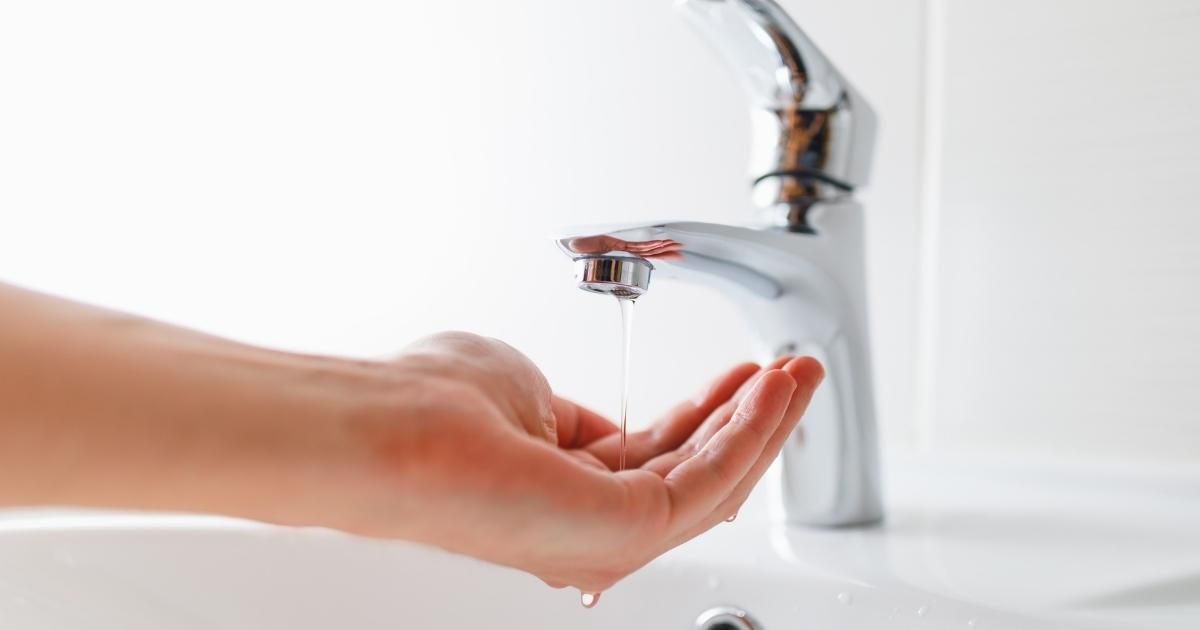
How do you know if a pipe is frozen?
Look for:
- No water flow or only a trickle
- Visible frost on the pipe
- An unusually cold section of pipe
- Bulging along the pipe
Safe Steps to Thaw an Outdoor Hose Faucet
It’s important to know how to thaw frozen pipes carefully.
- Open the interior shutoff valve slightly
- Open the exterior faucet handle.
- Gently apply heat, starting from the indoor side and moving outward.
Suggestions and precautions for thawing frozen pipe: Use items like a hairdryer or a heating pad but keep cords out of the way of drips or puddles. Anything with open flame, propane or gas is more dangerous than helpful so avoid those options.
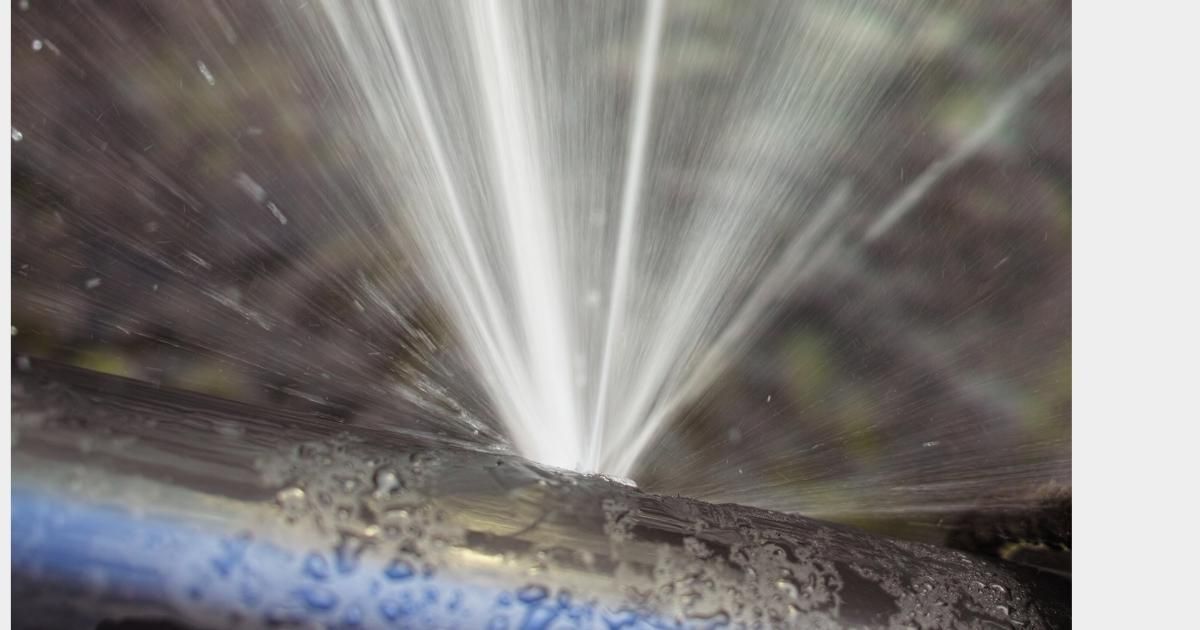
If you hear water running behind your walls when no faucet is turning on or notice moisture or pressure drops, immediately cut off the main water supply and call a plumber. Life hack: Take photos of any damage; they could be useful for an insurance claim.
Call a plumber when thawing efforts fail or if the frozen pipes are inaccessible.
Prevent the Next Freeze
Avoid frozen pipes in the future by:
- Disconnecting hoses before a freeze sets in
- Installing faucet covers
- Sealing drafts around hose bib penetrations
- Shutting off and draining interior hose bib valves if available
Adding insulation or heat tape as per the manufacturer‘s instructions works well on exposed pipes. You could consider consulting with a plumber about relocating exposed pipe sections to a protected spot as a permanent solution.
Are Frost-Free Hose Bibs Worth It?
Frozen-free hose bibs are designed to shut off water from the warm side of the wall, unlike standard sillcocks. Hose bibs will reduce the risk of frozen pipes when correctly installed and sloped to drain.
In theory, and usually in practice, frost-free hose bibs function as designed, but not always. Even with them, you must have a functioning vacuum breaker, and for winter prep, the hose must be disconnected, and the drains checked for functionality.
Consult with Blue Mills Plumbing concerning the effectiveness of frost-free hose bibs for your setup.
Get Ahead of Winter Issues with Pro Home Plumbing Care
In a nutshell: Warm frozen pipes gradually. Check the lines for leaks. Apply freeze protection (install faucet covers and pipe insulation) to prevent future frozen pipe issues.
When the faucets don’t thaw, you suspect a break, or you can’t reach the trouble spot, it’s time to call a professional. Contact Blue Mills Plumbing quickly to prevent costly repairs and protect your home through the winter.