Pipe Smarts: Why Your Renovation Depends on Choosing the Right Materials
When it comes to home plumbing care, it’s worth remembering how much work happens behind the walls. You might spend weeks choosing tile, fixtures, and finishes, but if you ignore the real foundation of a successful remodel; the piping itself your risking making a very expensive mistake. The materials you choose for your plumbing system can affect everything from water pressure and durability to noise levels, maintenance, budget, and even whether your renovation meets local code requirements.
With so many different types of pipe materials available today, it’s easy to feel overwhelmed. Some pipes are flexible and budget-friendly, while others are built to last for decades. Certain materials work best for water supply lines, while others are designed specifically for drain systems. Understanding the differences can help you avoid expensive surprises later.
This guide breaks down the different types of pipe materials homeowners are most likely to encounter during a renovation.
We will cover:
The “Right” Pipe Depends on Use, Code, Budget, and Longevity
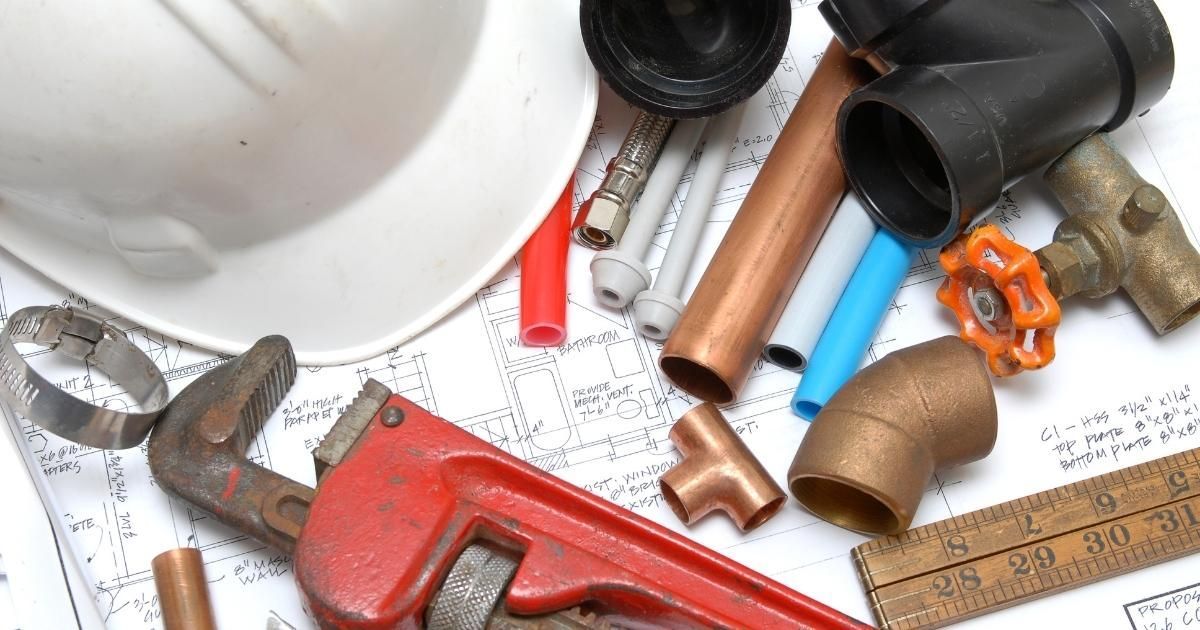
While certain materials are rated for certain uses, plumbing materials come in so many different options that the best guide is built around your local building codes, workload expected and if this is a temporary project or something that should stand the test of time.
For example, pipes that carry fresh water into your home have very different requirements than drain, waste, and vent systems. Water supply lines need to handle pressure, temperature changes, and water quality concerns. Drain systems focus more on durability, corrosion resistance, and noise control.
Some pipe materials are faster and easier to install, while others may last longer but require a larger upfront investment. Understanding the role each material plays can help you make smarter renovation decisions that balance cost, performance, and longevity.
Meet the Materials—What Each Is Best For
Homeowners today have several common options when comparing the kinds of pipes in plumbing systems. Understanding the major types of pipe used in residential plumbing can help you identify what’s already in your home, what materials you want for your current project and what may need upgrading during a remodel.
Considering a bathroom remodel? We have some great budget friendly suggestions!
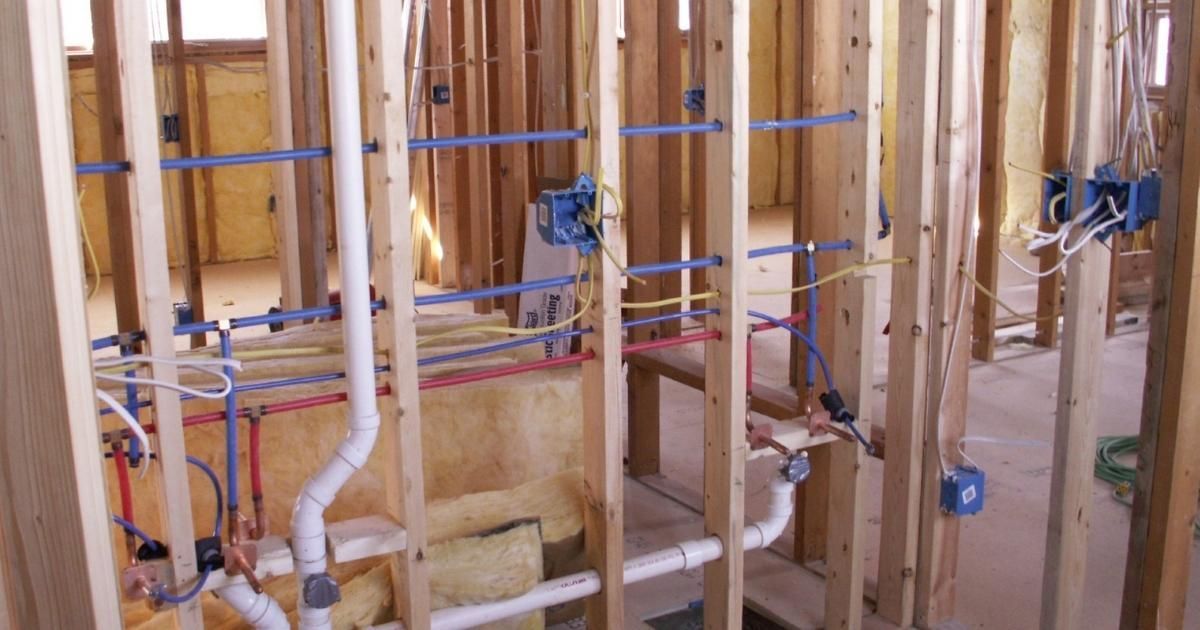
PEX piping has become one of the most popular modern choices for water supply lines. It’s flexible, requires fewer fittings, and can often be installed more quickly than rigid piping systems. Because it bends easily around corners, contractors can reduce the number of connection points, which may lower the risk of leaks over time.
Copper remains a trusted standard among many plumbers. It’s durable, heat-resistant, and known for its long lifespan. While copper can cost more than newer alternatives, many homeowners appreciate its reliability and proven performance.
CPVC is another option commonly used for hot and cold water supply lines. It’s lightweight, corrosion-resistant, and generally more affordable than copper. PVC, meanwhile, is typically reserved for drain, waste, and vent systems rather than pressurized hot water applications.
For homeowners researching plumbing pipes names and older systems, cast iron is another material worth knowing. Cast-iron drain stacks are especially valued for their quiet operation compared to lightweight plastic piping.
Some renovations also uncover old plumbing pipes made from galvanized steel or even lead. These materials are often candidates for replacement because they can corrode, restrict water flow, or create potential health concerns.
Where Each Material Shines (and Struggles)
Different plumbing tubing types perform differently depending on environmental conditions and household demands.
PEX handles freezing conditions better than rigid materials because it can expand slightly if water freezes inside the pipe. Copper, while extremely durable, is less forgiving in freeze-prone environments and may crack under pressure if temperatures drop too low.
Temperature tolerance also matters. Copper performs exceptionally well with high heat, which is one reason it remains popular for hot water applications. CPVC can handle hot water too, though it may become brittle over time in certain environments.
Sunlight exposure is another consideration. PEX should generally not be installed in areas exposed to prolonged UV light, while PVC may weaken under certain outdoor conditions. Chemical exposure and water quality can also influence which plumbing material is best for your project.
Noise is another factor homeowners don’t always consider until after installation. Plastic drain pipes tend to be louder when water moves through them, while cast iron naturally dampens sound. In multi-story homes, that quieter performance can make a noticeable difference.
Budget, Lifespan, and Maintenance Trade-offs
When comparing the different types of pipes available today, it’s important to think beyond the initial material cost.
PEX often wins on affordability because it installs quickly and requires less labor. Flexible tubing can reduce installation time, which may lower renovation costs overall. Copper, on the other hand, usually carries a higher material and labor cost but may provide exceptional longevity.
Each pipe material also comes with different maintenance expectations. Some systems are easier to repair or expand during future remodels. PEX manifolds, for example, can make it easier to isolate fixtures for maintenance. Copper repairs may require soldering expertise and specialized tools.
Accessibility matters too. If walls are already open during a renovation, it may make sense to upgrade aging plumbing now rather than revisit the issue later. Investing in the right material upfront can reduce future disruptions and emergency repairs.
Can You Mix Materials—or Replace Old Lines in Stages?
In many homes, plumbing upgrades happen gradually rather than all at once. Fortunately, mixing materials is often possible when done correctly.
Licensed plumbers commonly use approved transition fittings to connect different systems safely. For example, dielectric unions may be required when joining dissimilar metals to help prevent corrosion. However, not every combination is appropriate. PVC, for instance, should not be used for hot water supply lines.
Staged upgrades are especially common when replacing old plumbing pipes. Homeowners may transition from galvanized steel to PEX or copper over time, or replace failing cast-iron drains section by section with updated materials.
Planning is critical during phased renovations. Access points, permit requirements, inspections, and long-term compatibility all matter. Working with a professional helps ensure your plumbing system remains safe, efficient, and code-compliant as upgrades happen.
Choose Materials That Fit Your Home—and Your Plans
The right plumbing material depends on your home’s needs, your renovation goals, and the condition of your existing system. Whether you’re comparing kinds of pipes in plumbing, evaluating costs, or replacing aging infrastructure, choosing wisely now can prevent major headaches later.
Understanding the different types of pipe materials available today helps homeowners make confident renovation decisions that balance performance, durability, and budget.
If you’re planning a remodel or uncovering aging plumbing during renovations, the team at Blue Mills Plumbing can help you evaluate your options and choose materials built for long-term reliability.
Contact us today to schedule a free estimate and
check out our coupons page for additional savings!