Do Septic Tank Additives Really Work?
Homeowners with septic tank systems know that Septic Tank Services are an important part of maintenance to be budgeted for. It's no surprise that septic tank additives have become popular over the years as potentially money saving options for homeowners. Many products promise to improve system performance, reduce pumping needs, eliminate odors, or prevent costly repairs with little more effort than watering a houseplant.
They sound appealing but do septic tank additives really work, or are they simply another product benefiting from clever marketing? The truth may surprise you.
Table of Contents
• How Septic Systems Naturally Function
• The Risks of Using Septic Additives
• Misleading Myths About Septic Additives
•
What Are the Best Ways to Maintain a Septic System Without Additives?
The Truth About Septic Tank Additives
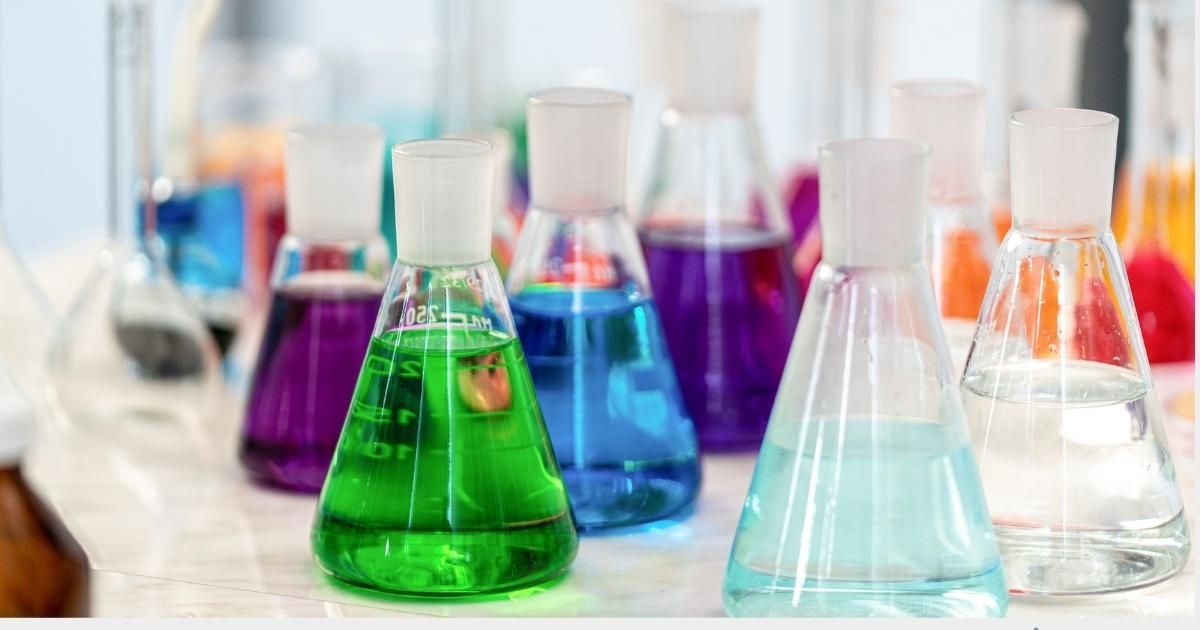
The short answer is that like with many ‘additives’ most septic system treatment products are unnecessary. In some situations, certain additives may even create new problems rather than solve existing ones.
Many septic tank additives claim to boost bacterial activity, dissolve solids, or improve drainage. However, research and industry experience have consistently shown that most healthy septic systems do not need additional products to perform their intended function.
Instead of taking a chance on additives for septic systems, homeowners are going to be more efficient and
financially savvy to focus on septic tank maintenance, best practices for what goes down the drain and water use economy.
How Septic Systems Naturally Function
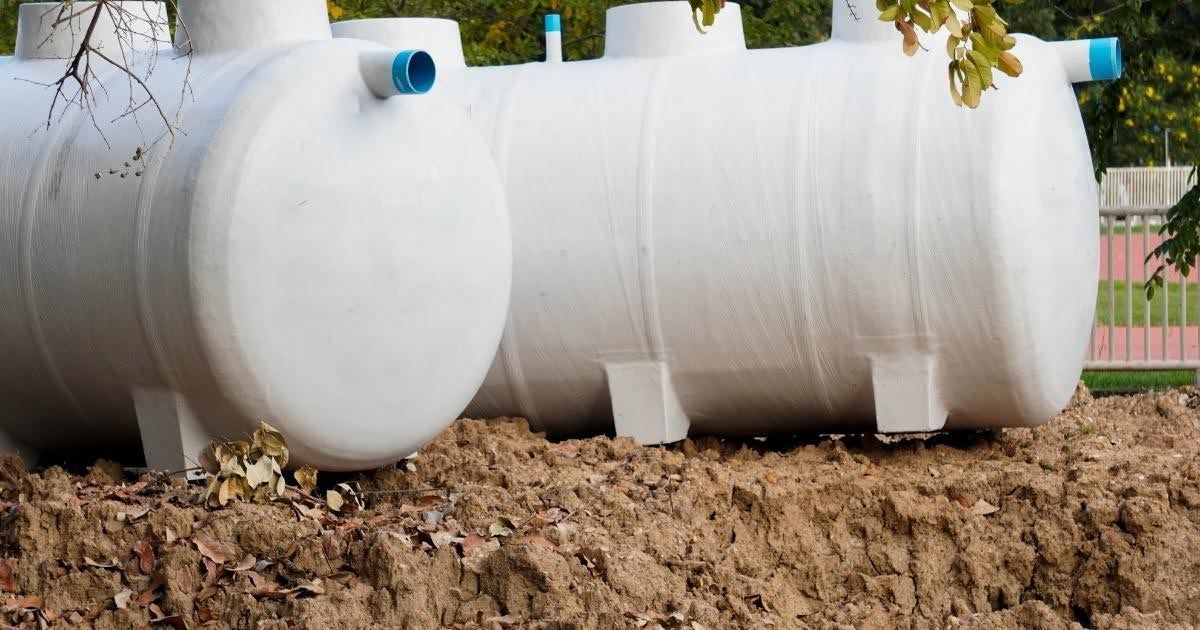
As wastewater enters the tank, naturally occurring bacteria begin breaking down organic waste. This process has been working effectively for decades without the help of commercial additives. Over time, solids settle to the bottom, oils and grease float to the top, and partially treated wastewater moves to the drain field.
Septic systems are engineered with this natural biological process in mind, designed to be self-sustaining. Under normal household use, the system continually replenishes its own bacterial population without requiring any special treatment products.
When homeowners ask, "should I use septic tank treatment," the answer is often that it may do nothing and waste your money, but it also poses significant risks and expensive repairs.
The Risks of Using Septic Additives
Most commercially available septic tank additives can be considered harmless, they won’t improve your septic tank systems function but they probably won’t do any actual damage.
That’s not true for all available additives, even those marked as natural or ‘biological’, some products can actually interfere with your septic system, either by damaging the bacterial balance or claim to breakdown solids by breaking them up into pieces that are suspended rather than settling properly. This causes problems with the drain field, risks of clogs and system failure.
Because a septic system utilizes a drain field, there are also environmental risks to consider because unwanted chemicals may leech into the drain field and seep into surrounding soil, damaging wildlife and plants.
Misleading Myths About Septic Additives
Myths surrounding septic tank additives range from old wives tales to fantastic claims on labels.
Top ‘organic’ myths
Add rotten tomatoes to improve bacterial activity – Even when rotting, tomatoes are acidic and will do more damage than good.
Add yeast or raw meat to ‘seed’ the bacteria in a recently pumped, cleaned or installed tank. – Not only is this unnecessary it’s unsanitary, your septic tank has a drain field so anything that breaks down into the liquid will reach the soil in your surrounding area.
Additive Myths
Additives reduce or eliminate the need for regular pumping. – Additives are often unnecessary, can mask actual issues needing professional attention and at worst, damage your septic system.
Bleach is a safe ‘clean’ your tank. – Bleach and other harsh cleaners can damage the bacterial mechanism within the septic tank, bleach can also be corrosive to the physical structures of your septic system.
Marketing claims often suggest that additives for septic systems can restore failing drain fields, prevent all clogs, or dramatically extend system life. Unfortunately, there is no miracle product capable of replacing
proper maintenance practices for your septic system. Healthy septic tanks already contain abundant bacteria from everyday household wastewater. Adding more bacteria does not necessarily improve system performance.
What Are the Best Ways to Maintain a Septic System Without Additives?
Save money, time and frustration and avoid asking "do septic tank additives really work" or "do septic tank treatments really work," and instead focus on proven maintenance strategies.
A few simple habits can significantly improve septic system performance:
• Schedule routine septic pumping based on household size and tank capacity.
• Have the system professionally inspected on a regular basis.
• Avoid flushing wipes, paper towels, feminine hygiene products, and other non-biodegradable items.
• Keep grease, oils, and food waste out of drains.
• Limit excessive use of harsh chemicals and antibacterial cleaners.
• Spread out laundry loads and high-water-use activities throughout the week.
• Protect the drain field from vehicle traffic and heavy structures.
One last tip, regarding garbage disposals. While garbage disposals are useful for small amounts of cooked food, using composting extends the life of your septic system.
These practices support the natural biological processes already taking place within the tank and help prevent costly repairs.
Focus on Proven Septic Care, Not Quick Fixes
Most septic tank additives provide little to no benefit for a healthy system, and some products may even contribute to future problems. Protect your septic system is through consistent maintenance, best day-to-day practices, and regular professional service to keep your system functioning as designed. Blue Mills Plumbing has experience with septic systems, conventional plumbing, residential and commercial plumbing needs.
If you have concerns about your systems performance or you know it’s been a while since your system has been serviced
contact Blue Mills Plumbing for professional septic services throughout Blue Springs, Independence, Lee's Summit, Grain Valley, and the surrounding Kansas City area. Our team can help you keep your system operating efficiently for years to come.