Why Pipes Burst in Kansas City Homes (And How to Prevent It Year-Round)
There’s few things that can disrupt your day like needing an urgent water pipe repair call, with water spreading through cabinets, walls, flooring, or a finished basement before the source is shut off. In Kansas City, one of the most common causes is frozen plumbing but cold weather is not the only concern.
Understanding why pipes burst can help homeowners recognize problems earlier and take practical steps to protect their plumbing.
We will cover:
What Causes Pipes to Burst in Kansas City Homes
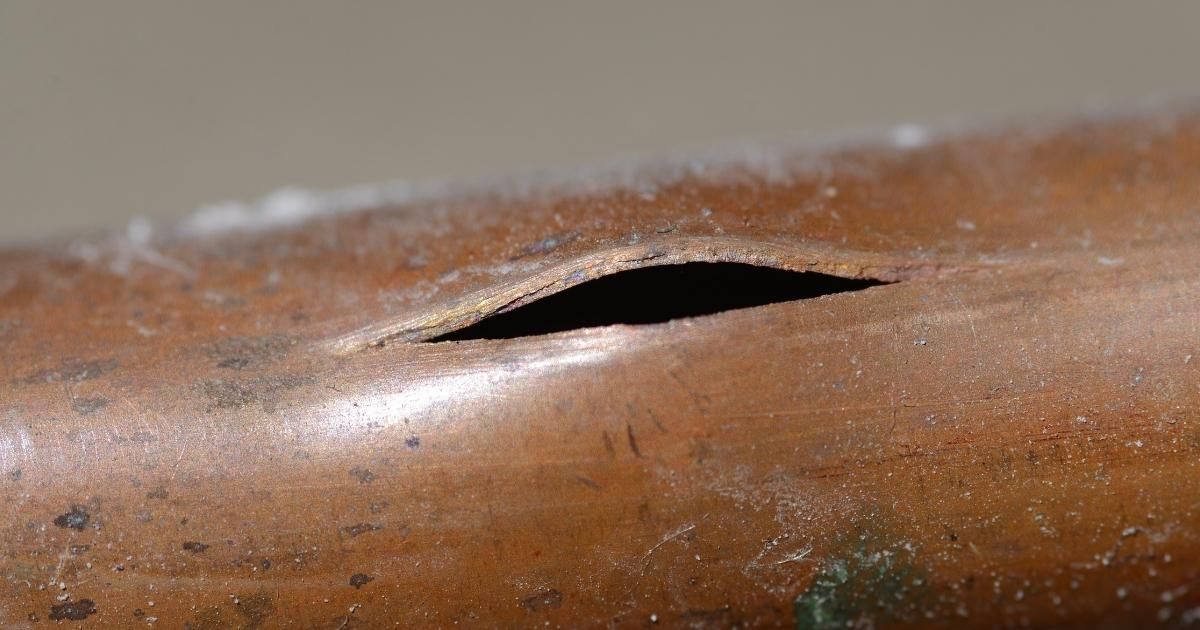
Blockages, tree roots, corrosion, aging materials, and excessive water pressure can all contribute to a pipe burst at any time of year. What causes a pipe to burst? It comes down to one of two problems: too much pressure inside the pipe or a pipe that has become too weak to handle normal operating conditions.
Clogs and other restrictions can interfere with normal flow allowing pressure to build up beyond normal conditions, while corrosion and deterioration gradually weaken pipe walls. These factors often combine together to cause pipe bursts and plumbing headaches.
Let’s talk about the conditions that make a failure more likely, what to watch for and some practical tips for dealing with everyday plumbing issues.
Freezing Temperatures and Pressure Buildup
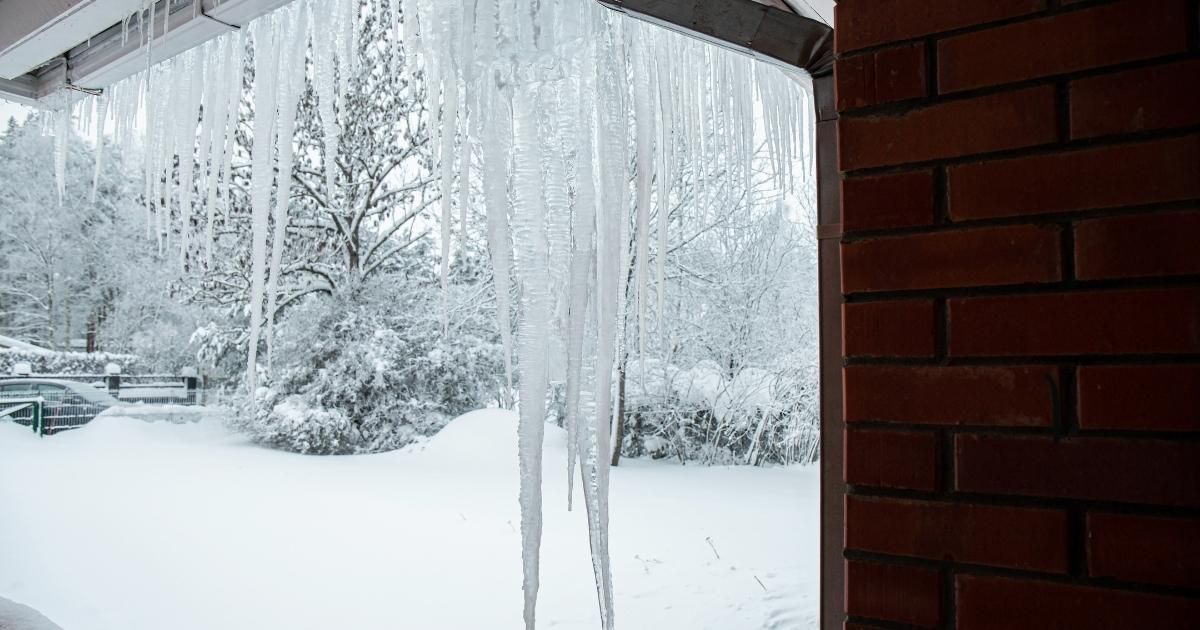
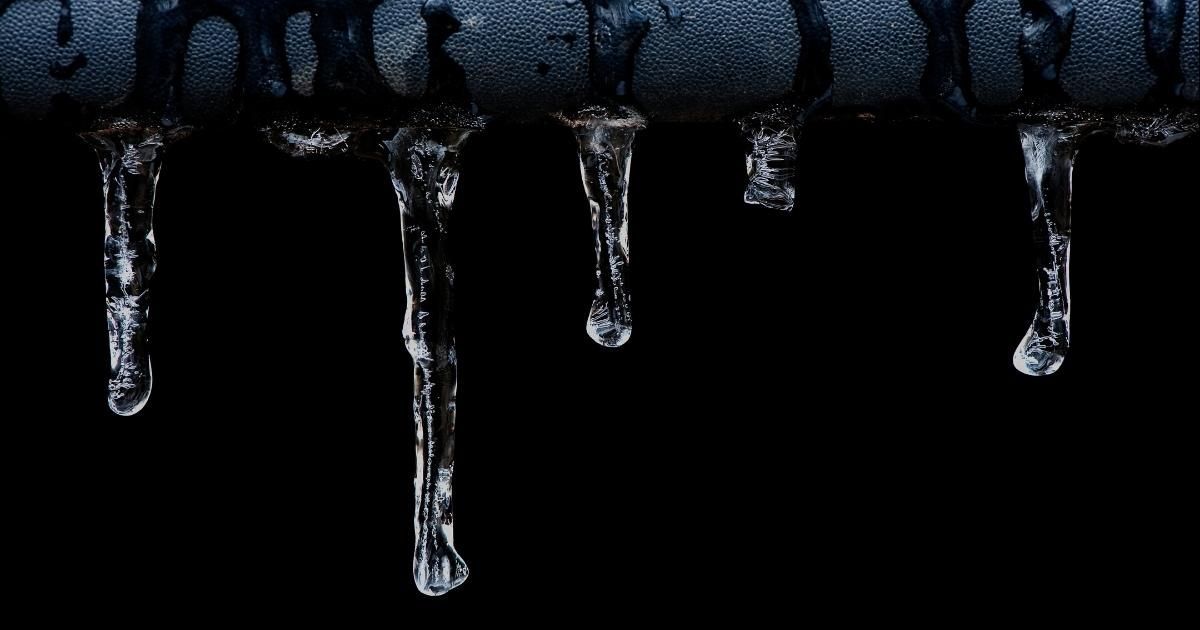
Why do pipes burst in winter? As kids, most of us learned that water, when it freezes, expands, but that isn’t always what causes a pipe to burst when the temperatures dip below freezing. As ice forms, it can create a blockage allowing water pressure to build up within a closed section of pipe, with nowhere to go that pressure can cause pipe fittings to fail or pipes to split.
Kansas City weather can be especially hard on plumbing because temperatures may move above and below freezing repeatedly during the winter. This means that not only is water freezing and expanding before melting, the pipe material itself is under stress from sometimes extreme temperature swings. Any plumbing that is exposed or in poorly insulated exterior walls may be particularly vulnerable.
Blockages, Backups, and Root Intrusion
Grease, food debris, mineral deposits, wipes that claim to be ‘flushable’ (They NEVER are.), and other materials can gradually narrow drain and sewer lines. As a buildup accumulates, more debris catches and restricts water flow leading to slow drains and backups. Tree roots, especially to main sewer outflow and underground lines can be a real hassle and an expensive fix. Roots naturally seek moisture and can enter through small cracks or deteriorated pipe joints.
Noticing signs of slow drains, foul odors around drains, gurgling are all indicators of possible problems. Routine maintenance such as using safe root-kill additives, using best practices for disposing of grease and food waste and having sewer line camera inspections, especially if you have a lot of trees on your property, can catch problems before they burst onto the scene at the worst time.
Aging Pipes, Corrosion, and High Water Pressure
Age, weather wear and tear and use can cause older plumbing materials to corrode, develop small cracks, or become brittle over time. Add to that stronger water pressure and higher in-home demands that continually stresses pipes, fittings, valves, fixtures, and appliance connections. Over time, that added strain can contribute to premature plumbing failures.
What Are the Best Ways to Prevent Pipes from Bursting?
Start with the things you can control from the drain first, properly disposing of food waste, grease and paper goods, using cleaning products and drain cleaners responsibly all go a long way to protecting your plumbing.
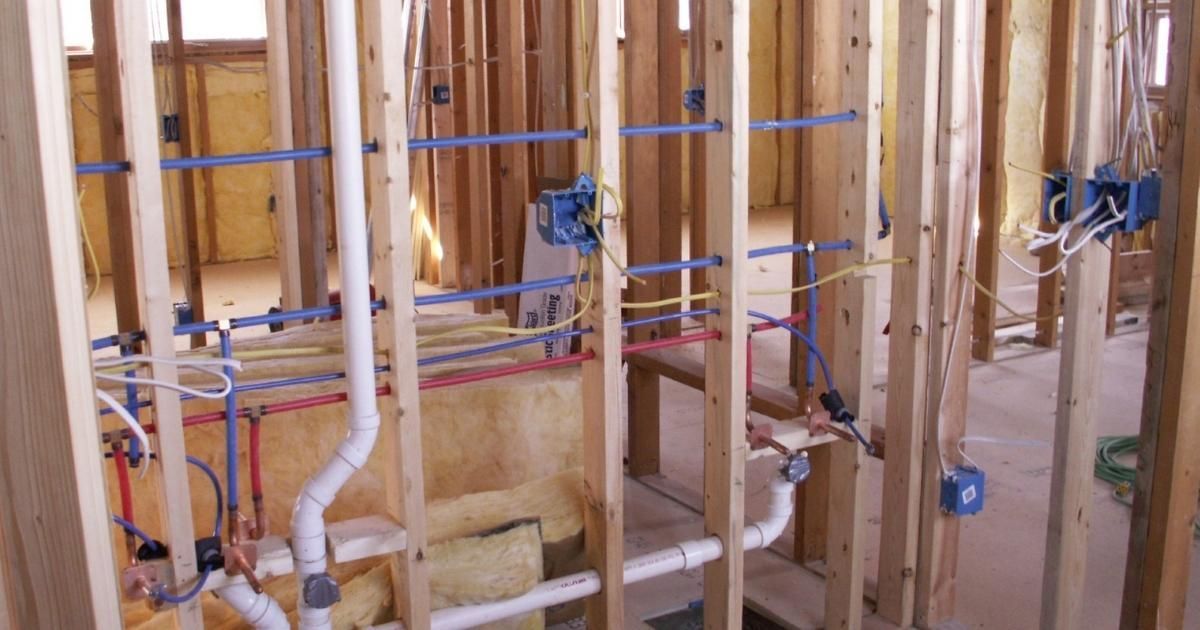
During cold weather, insulate pipes in unheated spaces and exterior walls, disconnect outdoor hoses before freezing weather, maintaining indoor heat and taking appropriate precautions with vulnerable fixtures can reduce the chance of freezing.
Drain and sewer maintenance can identify buildup, root intrusion, or damaged lines before they contribute to more serious problems.
- Homeowners should also watch for warning signs such as:
- Unexplained changes in water pressure
- Discolored or rusty-looking water
- Repeatedly clogged or slow drains
- Damp areas, water stains, or unexplained moisture
- Unusually high water bills
- Banging, whistling, or other changes in plumbing noises
If household water pressure is consistently too high, a plumber can determine whether pressure regulation or another repair is needed.
Prevent Pipe Bursts Before They Start
Kansas City winters make frozen plumbing an legitimate concern, but why pipes burst is a year-round question. Finding a plumber who understands their service area, the changes in building codes, the weather, the ground is priceless. That's why Blue Mills Plumbing has proudly provided plumbing services in and around the Independence and Kansas City area for many years.
Preventive maintenance gives homeowners an opportunity to address those problems while they are still manageable, far less disruptive and expensive than dealing with water damage after a pipe has already failed.
If you notice recurring plumbing problems or have concerns about older pipes,
contact Blue Mills Plumbing for professional inspections, leak detection, and pipe repair throughout the Kansas City area. Finding the source of the problem early can help prevent the next leak from becoming a much bigger one.