Why Your Water Pressure Is Low (And How to Fix It in Kansas City Homes)
You step inside your shower, ready to be refreshed… the last thing you want to think about is needing plumbing repairs. Instead of a steady, comfortable stream of water, out comes a slow, bothersome trickle.
Lower water pressure is a common homeowner frustration stemming from many possible causes. Here we’ll share common causes and troubleshooting steps to help identify and address low water pressure issues, and when it’s time for professional help.
In this post we will cover…
Low Water Pressure Can Have Several Different Causes
Low water pressure can affect one
fixture, several fixtures, or even your entire home. When water pressure is low, the cause isn’t always as complicated as it feels. There are simple steps you can take at home to identify possible causes. First, what does low water pressure mean? It simply means the water flowing out of fixture(s) isn’t coming out with the recommended force.
Check the Simple Things First
List all affected fixtures, inside and outside your home - showers, faucets, spigots, appliances. Then tackle each one by one to answer the question, why is my water pressure low.
- Remove and inspect faucet aerators or showerheads the check for mineral buildup.
- Next, verify that shutoff valves under sinks or behind toilets are fully open.
- Finally, ask neighbors if they're experiencing similar issues. If so, this could indicate municipal work. Call your local water company to see if work is being done in your area that could lead to loss of water pressure.
These simple checks can sometimes solve the problem without extensive repairs.
Common Plumbing Problems That Reduce Water Pressure
Plumbing and water pressure can be impacted by things both within the home and outside of it. In some cases low water pressure can be external due to water main breaks etc.
Causes of low water pressure can include:
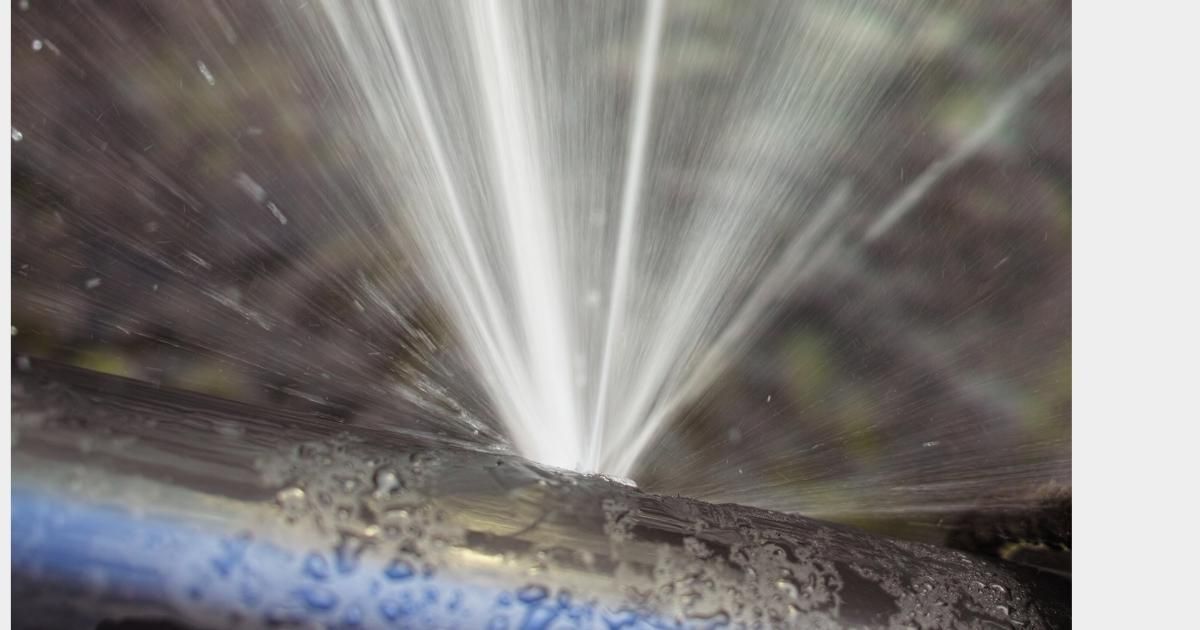
Hidden plumbing leaks - Leaks of all sizes impact the strength of water flow. Check around the fixture/appliance for pools of water or small drips coming from the pipes.
Corroded or aging pipes - In older homes pipes age and they begin to experience corrosion, inwardly or outwardly. Again, look for drips or pools of water near the area.
Partially closed main shutoff valves - Time or home projects can cause valve openings to shift. Give them a quick turn to tighten them then check water pressure. Shutoff valves are usually located behind fixtures or appliances, and underneath sinks. The main valve is generally inside at the lowest level, closest to the water meter.
Pressure regulator problems - Pressure-regulating valves maintain and stabilize water flow as it enters your home. An improperly working regulator can affect water pressure.
Mineral buildup inside older plumbing - Unscrew the screen at the tip of your faucet to check for buildup. If the buildup is deeper inside the pipes, you may notice discolored water, unusual smells, off-tasting water, or stains on the fixture.
Water supply line issues - If your local water company is doing work in the area, your entire household can be affected. Give them a quick call to check this out.
There can be other reasons for what can cause low water pressure but these touch on common reasons. Some situations do require professional diagnosis and plumbing repairs.
When Low Water Pressure Signals a Bigger Problem
If the above tactics don’t seem to change your low water pressure issue, it may be an indication of a larger issue. Some signs of larger problems may be:
- Sudden lost water pressure in house throughout your home
- You notice water discoloration along with pressure changes
- Unexplained wet spots near fixtures
- Unusually high water bills
- Pressure continues to worsen over time
- Pressure loss after remodeling or landscaping work
These symptoms may indicate leaks or damaged plumbing that should be evaluated promptly.
If you notice anything similar to these signs, call your local plumbing professional to have your home evaluated.
How Can You Test Water Pressure at Home?
Let’s talk about how to measure water pressure at home. Using a standard digital or analog water pressure gauge, attach the gauge to an exterior hose bib or laundry faucet that is closest to the main water supply line to get a reading. Contact your local water supply company for the proper water pressure range for your area. Take readings from multiple fixtures for comparison. Understand that testing identifies symptoms, but won’t always reveal underlying causes. Take readings over time to check for fluctuations. If pressure is consistently low or readings fluctuate significantly,
it’s recommended you schedule a professional evaluation.
Conclusion: Finding the Cause Is the First Step Toward Better Water Pressure
Low water pressure may stem from simple fixture issues or more significant plumbing problems. Following the steps above will help rule out easy causes before assuming the worst. If you’re dealing with persistent or house-wide pressure loss, the issue should be professionally evaluated.
If you’re experiencing low water pressure in the
Kansas City area and beyond, call Blue Mills Plumbing. We’re your local plumbing experts with the experience needed to handle any plumbing repairs and troubleshooting.
Visit our website or call today!