How to Lower Water Bill Expenses Without Costly Mistakes
An unexpectedly high water bill can leave you wondering whether it's time to change a few habits or call for professional
plumbing services . Your family hasn't been taking longer showers, doing extra laundry, or watering the lawn more often. So why did the bill go up?
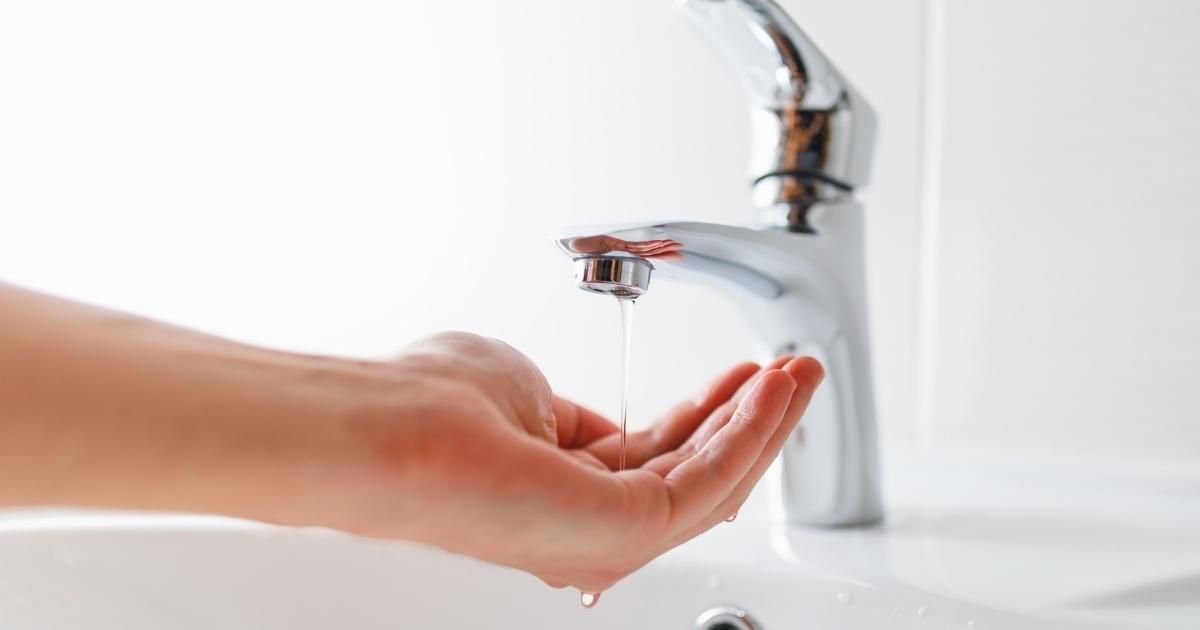
The answer could be as simple as a dripping faucet or an older fixture that uses more water than it needs to. It could also be a leak you haven't noticed yet.
If you're wondering
how to lower water bill expenses, start by looking at how your household uses water, checking for waste, and knowing when a repair is better left to a plumber.
In this post, we'll cover:
•
Simple ways to use less water every day
•
Fixtures that can help reduce water consumption
•
How to spot leaks around your home
•
What to check before leaving town
How Can Homeowners Lower Their Water Bills?

You can lower your water bill by cutting back
on unnecessary water use, keeping your plumbing fixtures in good shape, and fixing leaks before they waste more water. The EPA's WaterSense program
recommends the same approach.
Start with your recent bills. Compare the number of gallons used, not just the total cost. Water rates and fixed fees change, so a higher bill doesn't always mean higher usage.
If your usage did go up, think about what changed. Have you been watering the lawn more? Is someone home more during the day? Is a toilet running longer than it should?
Try the easy fixes first, before you spend money on replacements.
Make Small Changes to Your Daily Water Habits
You don't need a major lifestyle change to
reduce water usage
. A few tweaks to your daily routine can make a difference.
Shorter showers, turning off the faucet while you brush your teeth, and running only full loads of laundry or dishes are good places to start.
Outdoor water use matters too, especially in the warmer months. Watering a lawn that doesn't need it, or forgetting a running garden hose, adds gallons you're paying for.
Try these simple habits:
• Turn off faucets when you're not actively using the water.
• Run full loads in your dishwasher and washing machine when you can.
• Adjust lawn watering based on recent rainfall and soil conditions.
•
Check garden hoses and outdoor faucets for leaks.
• Thaw frozen food in the refrigerator instead of under running water.
Washing clothes in cold water can lower your energy costs, too, although it won't reduce the amount of water you use.
Upgrade to Water-Efficient Fixtures and Appliances
Older toilets, showerheads, and faucets often use more water than newer, efficient models.
When you replace a fixture, look for the EPA WaterSense label
. WaterSense-labeled products meet set standards for both water efficiency and performance.
A water-efficient showerhead, for example, still gives you a comfortable spray while using less water. Faucet aerators limit the flow during everyday tasks like washing hands and rinsing dishes.
Older toilets can also use a lot more water per flush than today's efficient models.
You don't have to replace everything at once. Start with fixtures that are outdated, leaking, or already due for replacement.
Some swaps are easy DIY jobs. But replacing fixtures connected to older plumbing, or working around shutoff valves that are hard to turn, may call for a plumber.
Inspect Your Home for Hidden Water Waste
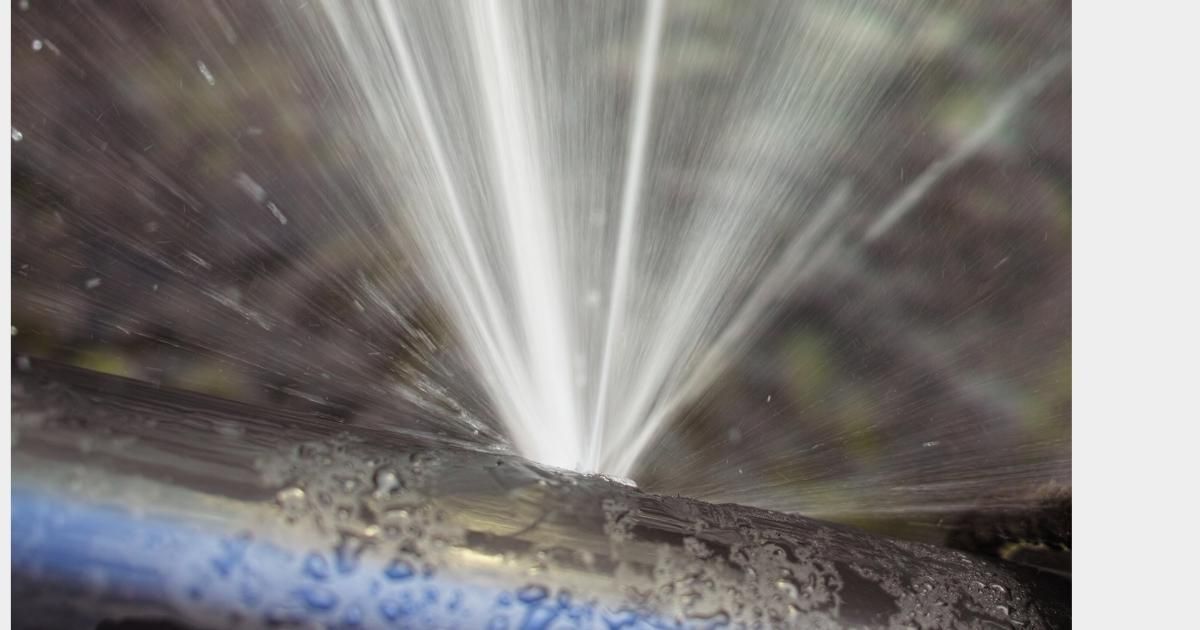
A plumbing leak doesn't always leave a puddle on the floor. Some leaks go on for weeks before anyone notices.
A running toilet is a common example. Water slowly leaks from the tank into the bowl, causing the toilet to refill even when nobody has flushed.
Other signs include dripping faucets, damp spots under sinks, water stains, and leaking pipe connections.
Check these areas every so often:
• Listen for toilets that refill between uses.
• Look under sinks for moisture or staining.
• Inspect visible pipes and appliance connections.
• Check outdoor faucets for drips.
• Watch your water usage for unexplained increases.
You can also check your water meter. Turn off every fixture and appliance that uses water, then follow your utility's instructions for reading the meter.
Keep in mind that some household systems use water automatically, so account for those before you assume there's a leak.
If the meter keeps moving, moisture won't go away, or your usage climbs for no clear reason, have a plumber take a look. Hidden leaks can be hard to find
without the right equipment and experience.
How Can You Prevent Water Waste While You're Away?
A plumbing problem is especially frustrating when it happens while you're out of town. Even a small leak can waste a lot of water if no one notices it for several days.
Before you leave for vacation, take a few minutes to check faucets, toilets, appliance hoses, and any visible plumbing connections.
Make sure outdoor faucets are off and garden hoses aren't left running.
For some homes, shutting off the main water supply during a long trip can limit damage if a pipe or connection fails. However, some heating, irrigation, and other systems need the water left on.
If you're not sure whether shutting off the water is right for your home, check with a plumber first.
It's also important to know where your main shutoff valve is and whether it works. If the valve is stuck, leaking, or hard to turn, have it inspected rather than forcing it.
Taking care of these details before you leave can help you avoid wasted water and surprise plumbing repairs.
Small Changes Today Can Lead to Long-Term Water Savings
Learning how to conserve water at home
starts with paying attention to everyday habits and keeping your plumbing in good condition.
Shorter showers, efficient fixtures, and regular leak checks all help cut down on wasted water.
But not every plumbing problem is a DIY project. A faucet that keeps dripping after a basic repair, a toilet that won't stop running, or a water meter that moves when nothing is on may need professional attention.
Blue Mills Plumbing
serves homeowners in Independence, MO, and throughout Jackson County, including Blue Springs and Sugar Creek. If you're dealing with a persistent leak, a running toilet, or unexplained water use, contact Blue Mills Plumbing to schedule an inspection or plumbing repair.